

Your Success, Our Mission!
6000+ Careers Transformed.
Deploying a model to production requires careful planning to avoid common pitfalls. This chapter highlights best practices that help maintain model performance, reliability, and security. We will cover aspects like version control, input validation, monitoring, logging, and deployment strategies to ensure that your models are production-ready and continue delivering accurate predictions over time.
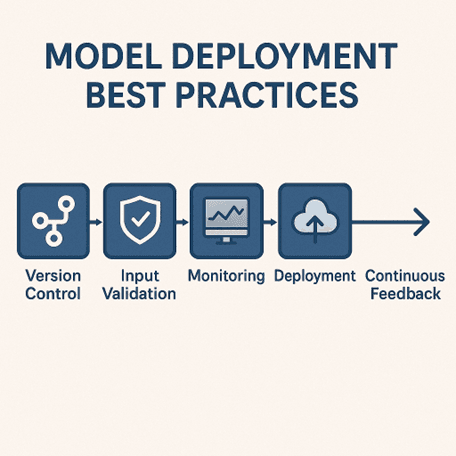
Version control is crucial for managing model updates and code changes. Key strategies include:
Git for code: Track changes to scripts, APIs, and configurations.
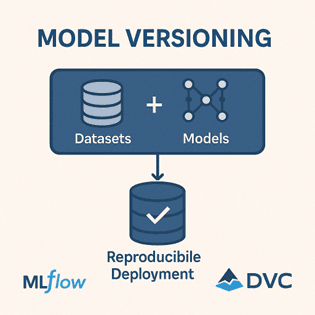
Model versioning: Store multiple versions of models with metadata (training data, metrics, parameters).
Environment tracking: Save Python dependencies or Docker images to ensure reproducibility.
Benefits:
- Rollback to previous versions if a new model performs poorly.
- Maintain experiment history and compare models easily.
Example:
MLflow or DVC can manage model versions alongside datasets for reproducible deployment.
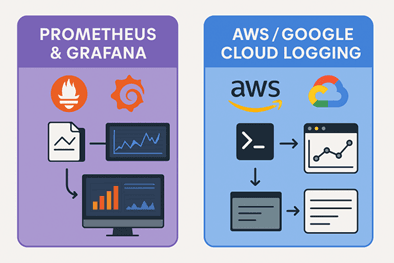
Monitoring ensures your model continues to perform in production:
Metrics to track: API response time, error rates, prediction distribution.
Data drift detection: Monitor changes in incoming data compared to training data.
Logging: Capture inputs, outputs, and errors for debugging and auditing.
Tools:
- Prometheus & Grafana for metrics.
- CloudWatch (AWS), Stackdriver (GCP), or Azure Monitor for cloud deployments.
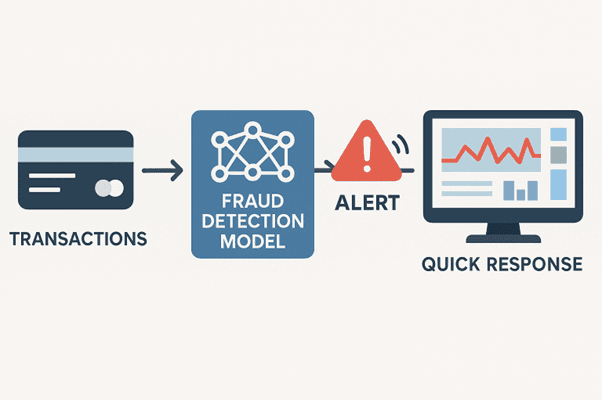
Example Scenario:
A fraud detection model triggers alerts if unusual patterns in transactions are detected, enabling quick response.
CI/CD pipelines automate testing, integration, and deployment of models:
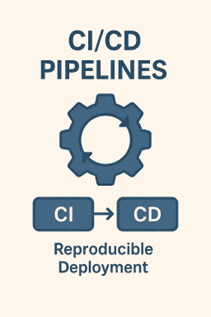
- Continuous Integration (CI): Automatically test code, APIs, and model pipelines after each update.
- Continuous Deployment (CD): Deploy new models or updates automatically after passing tests.
Benefits:
- Faster updates and reduced human errors.
- Easier collaboration in team environments.
- Seamless deployment of new versions with minimal downtime.
Tools:
- Jenkins, GitHub Actions, GitLab CI/CD.
- ML-specific platforms like MLflow or Kubeflow Pipelines.
Top Tutorials

Python
Python is a popular and versatile programming language used for a wide variety of tasks, including web development, data analysis, artificial intelligence, and more.
SQL
The SQL for Beginners Tutorial is a concise and easy-to-follow guide designed for individuals new to Structured Query Language (SQL). It covers the fundamentals of SQL, a powerful programming language used for managing relational databases. The tutorial introduces key concepts such as creating, retrieving, updating, and deleting data in a database using SQL queries.
Data Science
Learn Data Science for free with our data science tutorial. Explore essential skills, tools, and techniques to master Data Science and kickstart your career

 in Bengaluru, India


All Courses (6)
Master's Degree (2)
Fellowship (2)
Certifications (2)


 Best Practices for Model Deployment




 in Bengaluru, India